

Gaspard LEZIN
What Is Card Issuer? Credit & Debit Terms Explained
Confused about what is card issuer? Learn how these institutions manage credit and debit cards, authorize transactions, and protect your data.
A card issuer is the financial institution, usually a bank or regulated card provider, that gives a consumer their credit or debit card and decides whether their transactions are approved or declined. In the United States alone, there were over 200 financial institutions issuing credit cards as of 2022, which shows how central issuers are to everyday payments.
If you run an online business, you've already felt the issuer's influence, even if you've never used the term. A customer clicks pay, enters their card details, and waits a second or two for the result. That tiny pause is where revenue can be won or lost, because the issuer is often the party making the actual yes-or-no decision.
For merchants, creators, and SaaS operators, understanding what is card issuer isn't just payments trivia. It helps explain failed payments, chargebacks, customer complaints, and why one card transaction clears smoothly while another gets blocked for no obvious reason.
Table of Contents
Why business owners often miss this role
It starts with issuing the card
It underwrites the customer
It makes the approval decision
It manages the account after the sale
A simple way to remember the roles
One transaction from click to funding
Key Players in a Card Transaction
Approval rates affect sales
Disputes flow back to the issuer
Fee structure shapes margin
The checkout stays familiar, the settlement can change
Where modern tools fit
Why would a card be declined if the customer has enough money
Who pays for card rewards
Can a business become its own card issuer
How does a payment system know which issuer a card belongs to
The Unseen Player Behind Every Payment Approval
A customer lands on your checkout page late at night. They choose a plan, type in their card, and hit the button. From your side, it looks simple. In the background, several parties are involved, but the issuer is the one holding the cardholder relationship and often making the approval call.
That's why the issuer matters so much to merchants. If the issuer declines the payment, the sale stops there. It doesn't matter that your product was priced well, your checkout looked clean, or your marketing did its job.
A useful plain-English definition comes from Stripe's explanation of issuing banks. A card issuer, also called an issuing bank, is the financial institution that gives credit or debit cards to cardholders and manages the account relationship behind those cards. Stripe also notes that as of 2022, the United States had over 200 financial institutions issuing credit cards.
Why business owners often miss this role
Most merchants hear more about gateways, processors, and card brands than about issuers. That's understandable. The issuer is mostly invisible unless something goes wrong.
But once you know where to look, a lot of payment behavior makes more sense:
A healthy customer gets declined: The issuer's fraud controls may have flagged the transaction.
A repeat buyer suddenly fails checkout: The issuer may want extra verification or dislike a changed purchase pattern.
A dispute appears weeks later: The cardholder usually starts that process with their issuer, not with the card brand.
The issuer is the customer's financial gatekeeper for that card account. If you want to understand card acceptance, start there.
This also explains why businesses that sell internationally need more than just a checkout form. They need infrastructure that can work with issuer behavior across markets while keeping the merchant experience manageable. If you're comparing the broader stack around card acceptance, this guide to a payment gateway for online businesses helps place the issuer inside the larger flow.
For a market-specific example of how card brands and issuer relationships show up in commerce, sponsorship, and brand strategy, it's useful to analyze American Express creator sponsorships. American Express is especially interesting because, in some contexts, it can play more than one role in the payment system.
The Card Issuer's Core Responsibilities
The easiest way to think about an issuer is this. It's the cardholder's financial manager for that specific card account. It sets the rules, checks the limits, watches for risk, and handles the account after the purchase.
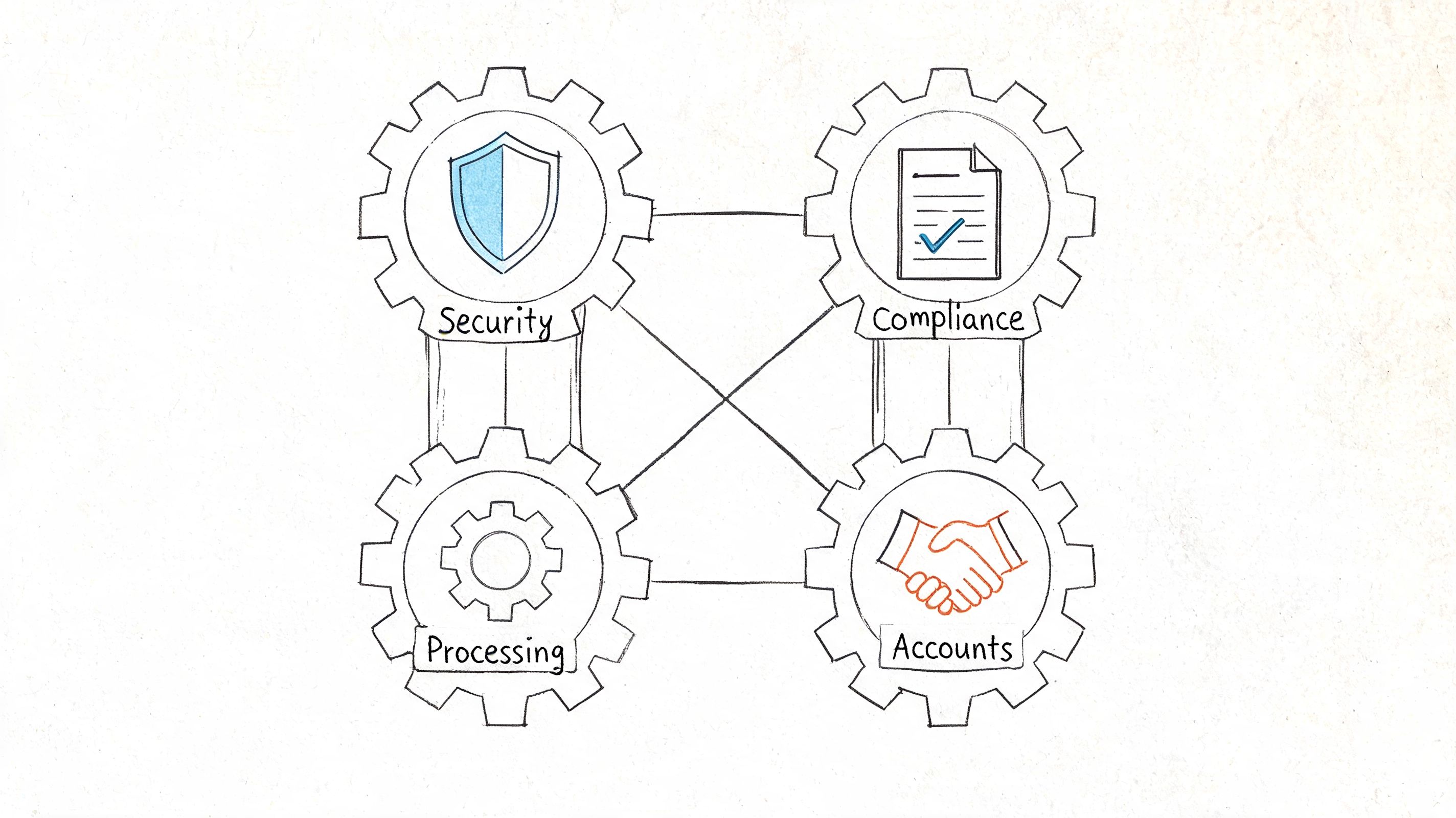
A more technical description from Rapyd's guide to card issuers says the issuer is the regulated financial institution at the liability-and-control layer of the card stack. It underwrites the cardholder, sets credit limits or links the card to a deposit account, and makes the approve or decline decision at authorization time by checking available funds, credit headroom, and fraud signals.
It starts with issuing the card
First, the issuer provides the card itself. That might be a credit card, where the issuer extends a line of credit, or a debit card tied to a deposit account.
This sounds obvious, but it's important. The issuer isn't just printing plastic or generating a virtual card number. It's creating and managing the financial account behind the card.
It underwrites the customer
Before a customer can use a card, the issuer decides whether to offer one and under what terms. For credit products, that means the issuer is taking risk on the cardholder.
In practical terms, the issuer may decide:
Whether to approve the application
What credit limit to assign
What spending controls or account settings to apply
How tightly to monitor future transactions
For merchants, this matters because approval behavior later on is tied to that earlier underwriting. A card account with tighter controls may decline transactions more aggressively.
It makes the approval decision
This is the moment merchants care about most. A purchase attempt hits the system, and the issuer checks whether the transaction fits the account's available funds or credit and whether the risk signals look acceptable.
When business owners ask why a payment failed even though the customer insisted their card was fine, the issuer is often the answer. The card may be active, but the issuer's rules can still block the transaction.
Practical rule: A declined payment doesn't always mean the customer lacks money. It can mean the issuer didn't like the risk pattern.
It manages the account after the sale
The issuer's job continues long after checkout. It sends statements, tracks balances, handles fees and interest where relevant, and deals with disputes raised by the cardholder.
That ongoing account control is why issuer-side requirements also shape merchant operations. If you collect payment data directly or work closely with card flows, compliance matters. This pci dss compliance checklist is a practical resource for understanding the security expectations around card handling.
Issuer vs Acquirer vs Network Who Does What
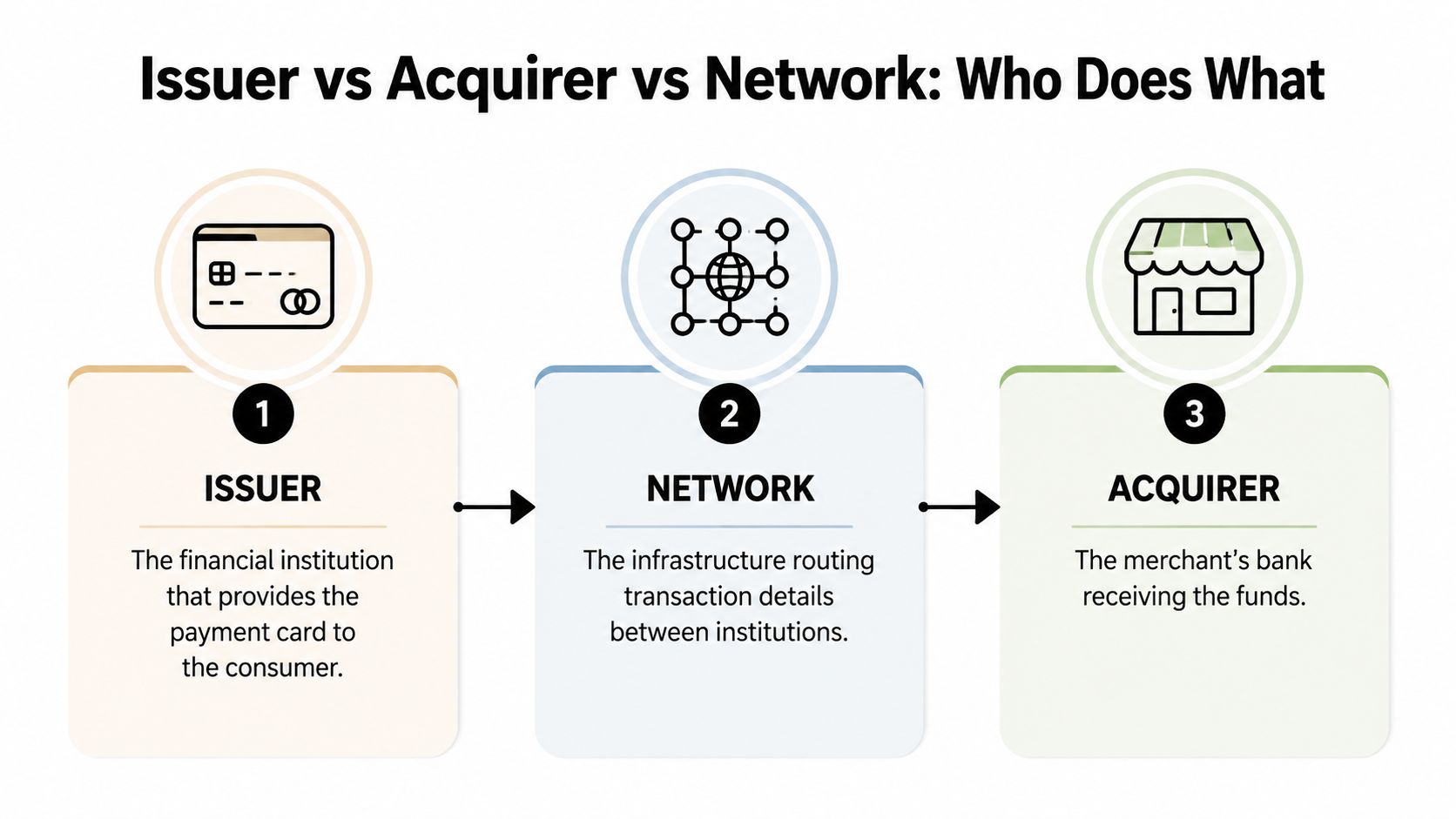
People often mix up the issuer, the acquirer, and the network because all three touch the same transaction. But they do very different jobs.
A good mental shortcut is simple:
Issuer: the cardholder's bank or regulated card provider
Acquirer: the merchant's bank or acquiring side payment institution
Network: the routing system connecting the parties and enforcing scheme rules
Near the start of this flow, it helps to visualize the moving parts:
A simple way to remember the roles
Think of a card payment like shipping a package.
The customer hands over the request to pay. The network acts like the route map that carries the message between institutions. The issuer checks whether the sender is allowed to send the package. The acquirer is on the merchant side, helping receive the funds and connect them to the business.
A technical summary from Edenred's explanation of card issuing puts it this way: the issuer completes the merchant-side funding flow after authorization, while the card network primarily routes messages and enforces scheme rules. That separation matters because issuers and schemes are usually distinct participants, while a brand such as American Express can act in both roles.
One transaction from click to funding
Here's the plain-language sequence:
The customer enters card details at your checkout.
The payment request is sent through the network toward the issuer.
The issuer checks the account for funds, credit availability, and risk signals.
The issuer approves or declines the transaction.
The approved transaction continues through the merchant side, where the acquirer helps move the funds into the settlement flow.
This short explainer video can help if you prefer to see the roles in motion:
The confusion usually starts because merchants interact more often with processors, PSPs, and dashboards than with issuers directly. If you're sorting out adjacent payment roles, this guide on what a PSP is in payments is a useful companion.
Key Players in a Card Transaction
Entity | Represents | Primary Role |
|---|---|---|
Issuer | The cardholder | Provides the card, manages the account, approves or declines transactions |
Network | The scheme infrastructure | Routes transaction messages and applies card scheme rules |
Acquirer | The merchant | Receives merchant-side transaction flow and supports funding to the business |
If you remember only one distinction, remember this. The network moves the message, the issuer makes the cardholder-side decision, and the acquirer supports the merchant side.
How Card Issuers Directly Impact Your Online Business
A card issuer can feel far away from your storefront, but its decisions show up in your revenue, support workload, and risk exposure every day.
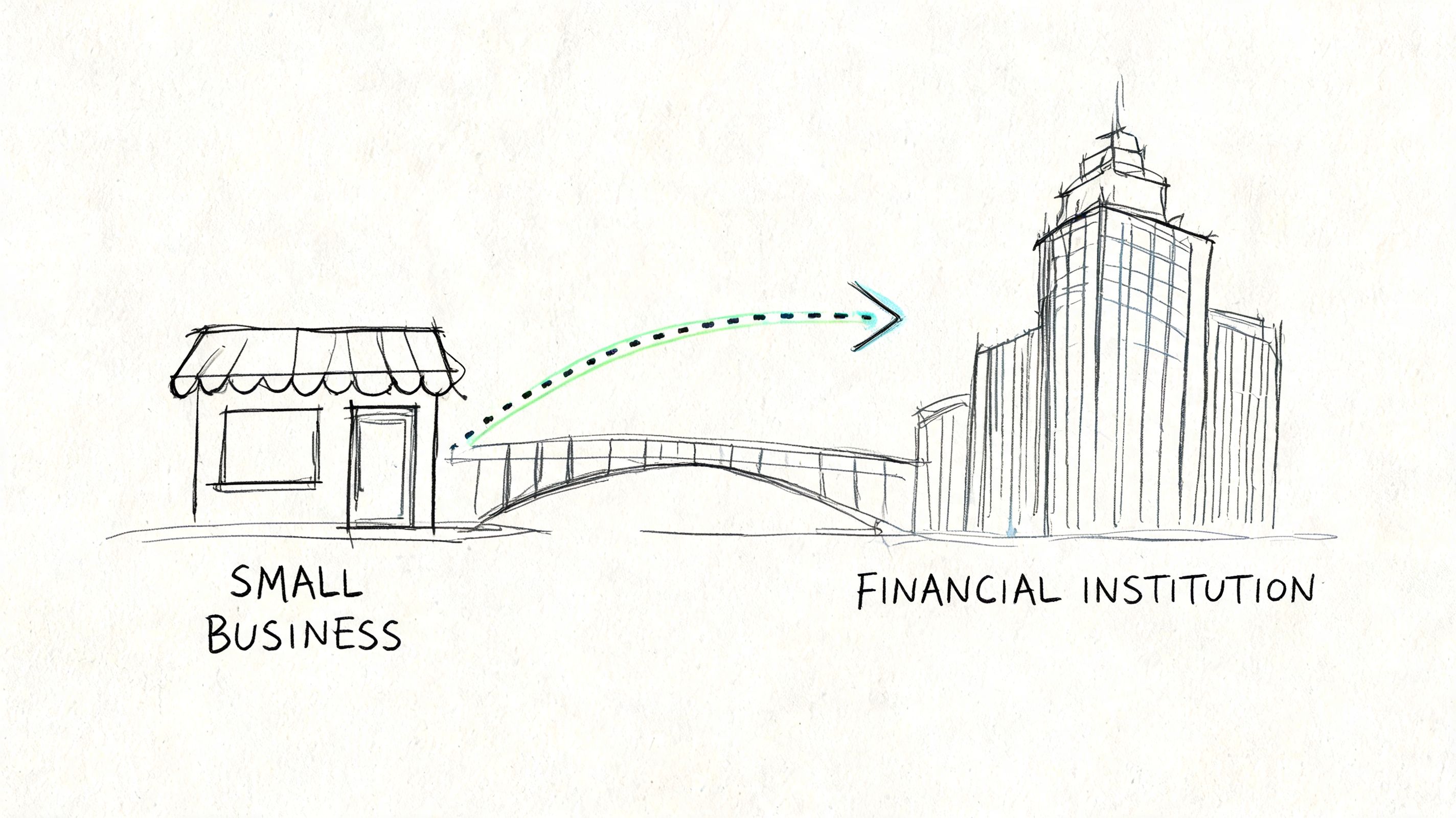
Airwallex's explanation of card issuers puts the merchant impact in practical terms. Card issuers do more than issue cards. They authorize or decline transactions, manage credit limits or available funds checks, and assume underwriting and fraud risk. They also handle ongoing account management such as statements and disputes.
Approval rates affect sales
If an issuer declines a legitimate customer, you lose the sale. That's the simplest and most immediate business effect.
Many online businesses get frustrated by this scenario. The checkout looked fine. The customer wanted to buy. But the issuer's internal model may have seen an unusual location, a digital product category it treats cautiously, or a transaction pattern that looked suspicious.
Common merchant-side consequences include:
Lost conversions: The customer leaves before trying another card.
Support tickets: Your team ends up explaining a decline you didn't control.
Retry friction: The buyer may need to contact their bank or use a different payment method.
Disputes flow back to the issuer
When a cardholder questions a charge, they usually go to their issuer first. That makes the issuer a key decision-maker in the dispute process from the merchant's perspective.
This is why clean descriptors, clear cancellation terms, delivery evidence, and customer communication matter so much. You're not just trying to satisfy the buyer. You're also building the record that may later be reviewed through the issuer-led dispute flow.
If chargeback prevention is an active concern, this guide on how to avoid payment disputes is worth keeping in your playbook.
Strong evidence doesn't guarantee a perfect outcome, but weak evidence makes the issuer's decision much harder to win.
Fee structure shapes margin
Issuers also matter to your economics. In the broader card system, issuer participation and scheme rules influence the fee structure attached to card acceptance.
You don't need to memorize every fee category to understand the business effect. If you're selling on thin margins, payment costs can materially affect profitability. And because issuers sit on the cardholder-risk side of the system, their role is built into how that cost stack works.
For operators, the practical takeaway is straightforward:
Watch declines and disputes together. They often share issuer-related roots.
Review failed payment patterns by market. Issuer behavior can vary by geography and card type.
Treat payments as an operating lever, not just a checkout widget. Revenue recovery often starts with understanding the approval chain.
Modern Payments Working With Issuers For Global Scale
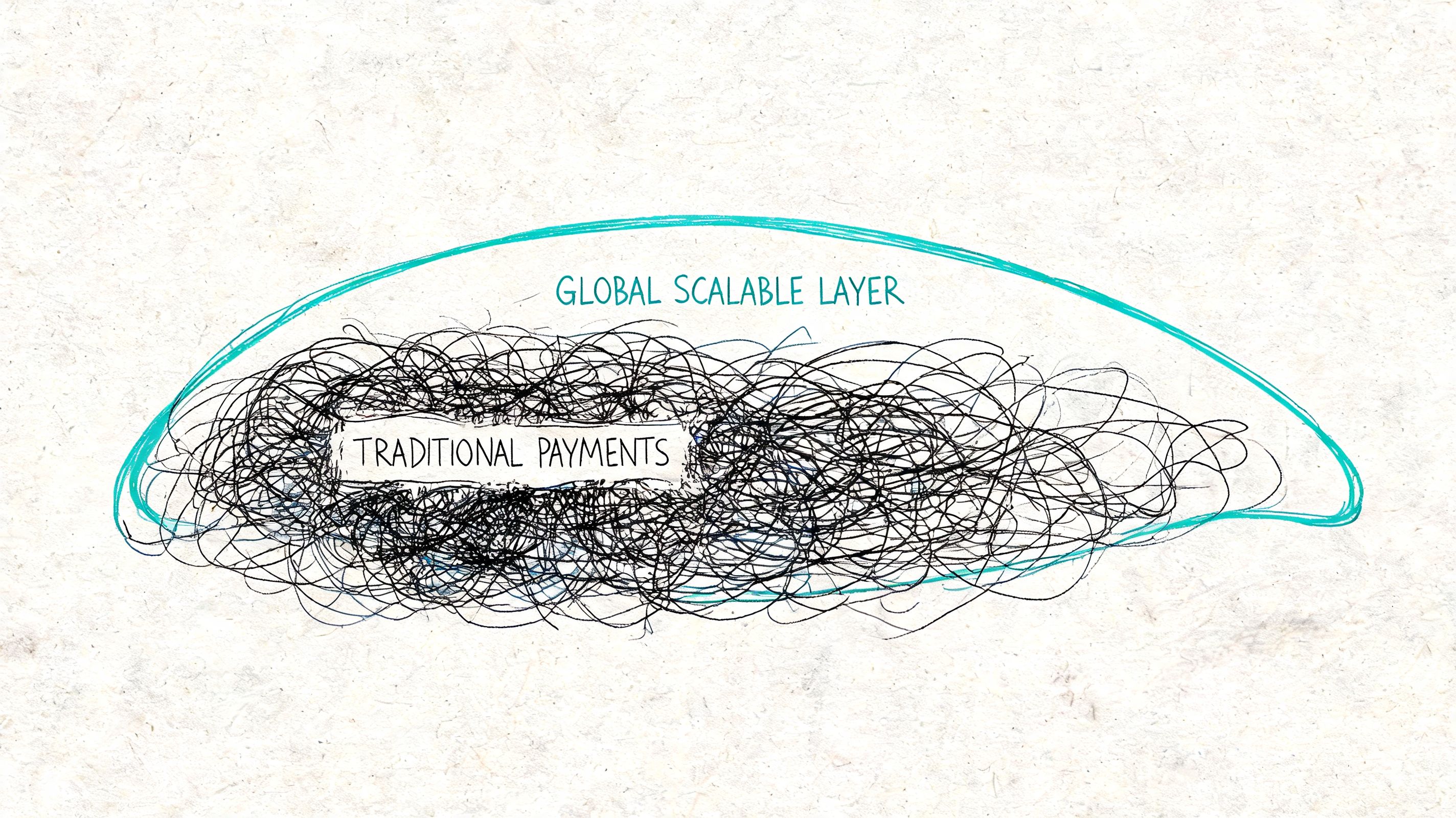
A customer in Germany buys a subscription from your business at 2:07 a.m. local time. The card is approved in seconds, but what happens after that can still feel old-fashioned. Funds may move through multiple intermediaries, conversion may chip away at margin, and payout timing may not match how fast your business operates online.
The checkout stays familiar, the settlement can change
The card issuer still does its normal job. It checks the transaction, approves or declines it, and stands on the cardholder side of the payment. That part of the system does not disappear just because a business wants faster global operations.
What can change is the layer behind the approval.
A useful comparison is a retail storefront and the road behind it. Customers care that the front door opens, the shelves are clear, and checkout works. Operators care about the supply route, delivery timing, and what it costs to keep inventory moving. In payments, the issuer helps decide whether the front-door transaction goes through. Settlement infrastructure determines how efficiently the money reaches your business after that.
For online businesses selling across borders, that difference affects daily operations in concrete ways:
SaaS subscriptions need reliable collection and predictable settlement across many countries
Creator memberships depend on payment status staying aligned with access
Agencies and freelancers often want digital payouts instead of slow, bank-heavy processes
Online communities need payment, subscription logic, and access control to work together
Where modern tools fit
Modern payment tools sit on top of the familiar card system instead of asking customers to abandon it. Suby is one example. It offers an API for accepting card and crypto payments, plus native Discord and Telegram integrations for subscriptions, paid access, and community payments. In practice, the customer can pay by card while the business receives USDC.
That separation matters. The payer keeps a method they already understand. The merchant gets a settlement format that can be easier to use across borders, especially if treasury, vendor payments, or digital payouts already happen online.
For a business owner, the question is less "What is the issuer doing?" and more "How much friction remains after the issuer says yes?" Approval is only the first gate. Revenue timing, currency exposure, reconciliation effort, and payout reliability all affect what that approved payment is worth to your business.
A practical evaluation looks like this:
Can customers keep paying with standard cards they already use
Can your business reduce cross-border payout friction
Can billing, access control, and settlement live in the same workflow
Can your team integrate once through an API instead of stitching together separate systems
The issuer remains part of the flow. It still controls card authorization and many decline outcomes. Modern infrastructure improves the merchant side of the equation by making the post-approval path faster, more stable, and easier to operate at global scale.
A stronger payment setup keeps the familiar issuer-driven card experience at checkout while improving how your business receives and uses funds after approval.
Frequently Asked Questions About Card Issuers
Why would a card be declined if the customer has enough money
Because available money is only one part of the issuer's decision. The issuer may also look at fraud signals, transaction pattern changes, merchant category concerns, card settings, or account restrictions.
A customer can confidently say, "I have funds," and still get declined. From the issuer's perspective, the question isn't only whether the account can pay. It's whether this specific transaction should be approved right now.
Who pays for card rewards
In simple terms, rewards are supported by the economics of the card system, which includes merchant payment acceptance costs and issuer-side card economics.
For merchants, the useful lesson isn't the exact accounting split. It's that card pricing and issuer incentives are connected. If you accept cards, parts of the broader fee structure ultimately reflect the incentives and risk management built into the ecosystem.
Can a business become its own card issuer
Usually not in the casual sense people mean. Becoming an issuer is a regulated financial activity, not just a product feature you switch on.
Some businesses launch card programs through partnerships with licensed institutions and regulated infrastructure providers. That's very different from saying the business itself decided to become a bank-like issuer.
How does a payment system know which issuer a card belongs to
It identifies the issuer from the card number's bank identification information, often called the BIN. That routing information helps the transaction reach the correct issuer for authorization.
As a merchant, you usually won't manage this manually. Your payment stack handles that in the background. But it's useful to know because it explains how a system can direct one payment to one issuer and another payment to a different issuer even when both cards look similar to the customer.
Suby is a payment gateway and payment processor. Your customers pay with card, bank transfer, Apple Pay, Google Pay, Klarna, and more, or stablecoins, and you get paid out to your bank account, or directly in stablecoins (USDC, EURC) to your wallet, anywhere in the world, no bank account required. The card issuer still makes the approve-or-decline call at checkout, and Suby handles everything after that yes, with an API and native Discord and Telegram integrations for subscriptions and paid access, so the post-approval path stays fast and easy to run globally.
