

Gaspard LEZIN
What Are Common Pitfalls with Global Payment Processors
Discover what are common pitfalls with global payment processors, from hidden FX fees to settlement delays, and learn how to protect your business's revenue.
You launch in a new market, wake up to a string of international card sales, and expect that to feel like progress. Then the payout lands. The amount is lower than expected, the statement is hard to decode, and finance asks why one customer paid in one currency while the business received something else after fees, conversion, and delay.
That pattern is common enough that many founders start asking the same question: what are common pitfalls with global payment processors, and why do they only become visible after volume starts growing?
The short answer is that selling globally is easy at the checkout layer and messy at the settlement layer. A lot of processors look simple from the outside. Underneath, they rely on fragmented banking relationships, batch settlement, opaque pricing, and reporting that creates work for finance and engineering. If your team already struggles with payout matching and month-end close, this guide to efficient invoice processing is a useful parallel read because the same back-office discipline matters when payment data starts arriving from multiple systems.
Table of Contents
The Hidden Costs of Going Global
The headline rate is rarely the real rate
Why this hurts planning, not just margins
Why the money feels stuck
What delayed settlement does to a SaaS business
Why legitimate global sales get flagged
The operational cost of compliance friction
What finance teams struggle with
What developers inherit
The architecture shift that actually matters
Global Payment Models Compared
A Checklist for Choosing Your Global Payment Partner
The Hidden Costs of Going Global
A founder usually sees the first symptom in the payout report, not in the checkout flow. The sale succeeds, the customer is happy, and the dashboard says revenue came in. Later, the finance view tells a different story. The payout is smaller, arrives later, and doesn't line up cleanly with the original order data.
That gap is where most global payment pain lives.
Traditional processors were built around bank-led movement of money across jurisdictions. Online businesses, especially SaaS companies, operate continuously across time zones, but many payment stacks still depend on systems that settle in steps, convert currencies late in the flow, and route transactions through banking relationships that weren't designed for internet-native merchants.
Global selling doesn't usually break at checkout. It breaks when you try to understand what you actually earned, when you received it, and why some valid payments never made it through.
The hidden costs usually show up in four places:
Margin leakage: Fees look simple at signup and messy on the statement.
Cash flow drag: Revenue is approved before it is usable.
Avoidable declines: Legitimate customers get scored like cross-border risk.
Operational overhead: Finance and engineering end up cleaning up architecture problems.
For a SaaS founder, these aren't abstract payments issues. They affect pricing decisions, runway planning, support tickets, renewal reliability, and close-of-month reporting. A processor can look affordable while subtly creating expensive work elsewhere in the company.
Pitfall 1 Unpredictable FX Rates and Hidden Fees
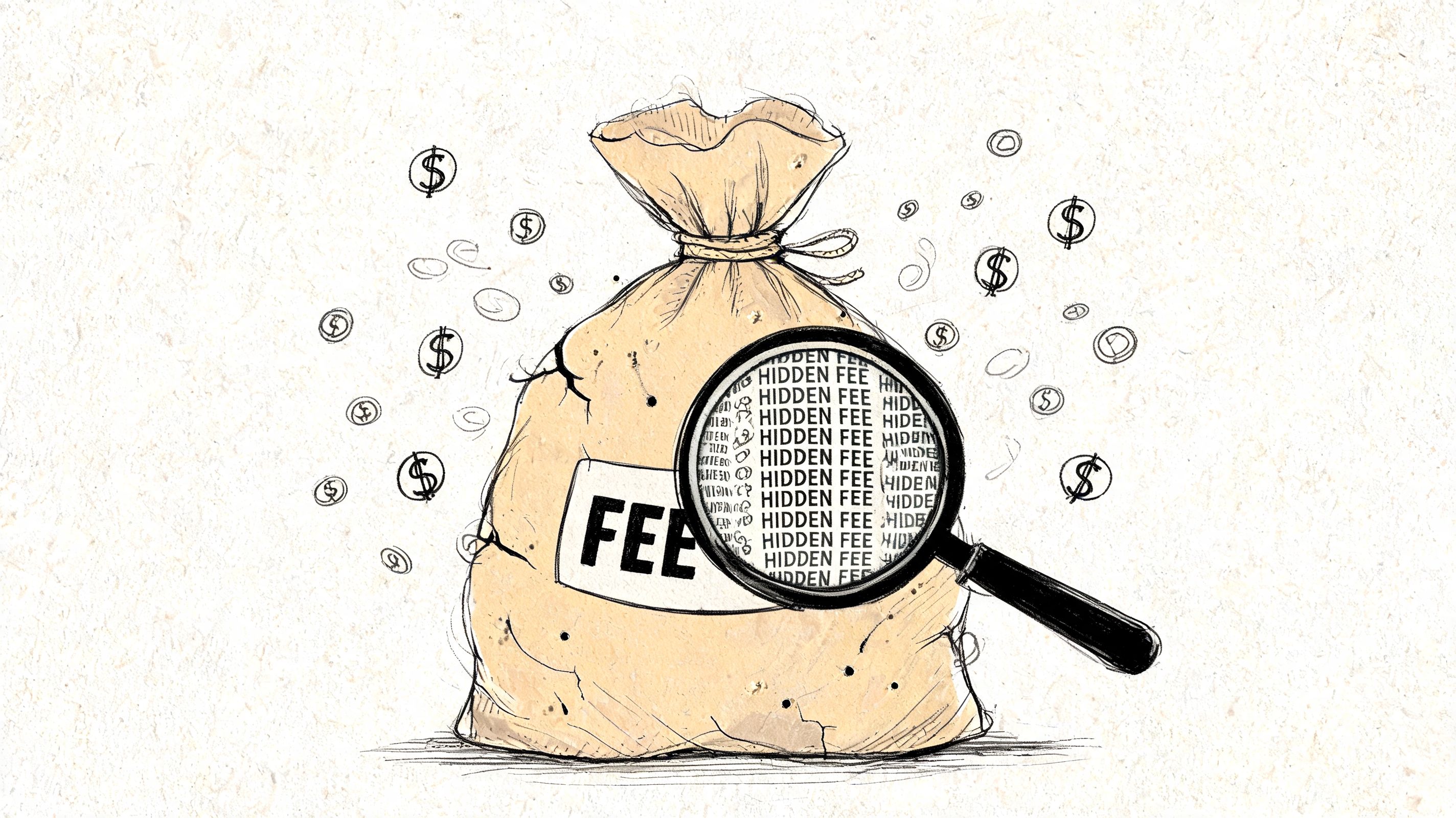
The most obvious leak is also the one merchants often struggle to measure. The advertised processing rate isn't always the effective rate you end up paying.
The headline rate is rarely the real rate
According to industry data on processor pricing red flags, 67% of businesses overpay on processing fees, while 53% experience slow payouts that disrupt cash flow. That same source notes that many providers advertise low headline rates while obscuring additional charges that build up over time, especially on international transactions where multiple intermediaries each take a cut.
A practical way to think about this is a road full of toll booths. The customer pays once, but the money doesn't move through one clean lane. It may pass through the card network, the processor, an acquiring bank, and currency conversion steps before it reaches you. Each handoff can introduce another fee or markup.
The most painful version of this is foreign exchange. A provider may tell you it supports multi-currency acceptance, which sounds useful. But support for multiple currencies doesn't mean efficient settlement. If conversion happens late, through several intermediaries, or with hidden markups embedded in the rate, your margin gets shaved in ways that don't show up clearly on the pricing page.
A useful companion read is this piece on how to avoid currency conversion fees, because the core issue isn't just whether conversion happens. It's where, when, and how transparently it happens.
Why this hurts planning, not just margins
Founders often treat processing cost as a line item. In practice, it's a forecasting problem.
If your effective take rate changes by market, currency, or payout path, your gross margin becomes harder to model. That affects subscription pricing, affiliate economics, partner payouts, and any board-level reporting that assumes revenue is more predictable than it really is.
Practical rule: Don't evaluate a provider on the checkout fee alone. Evaluate the full path from customer charge to final merchant receipt.
This video gives a useful overview of how hidden payment costs show up once businesses start selling across borders:
When teams audit processor costs properly, they usually find three categories of leakage:
Visible fees: The ones disclosed in pricing tables and monthly statements.
Embedded FX spread: The conversion cost hidden inside the exchange rate itself.
Operational cost: Staff time spent explaining discrepancies, fixing accounting mismatches, and answering customer questions.
The first category is tolerable. The second and third are where many global processors stop being cost-effective.
Pitfall 2 Settlement Delays and Payout Uncertainty
A payment authorization is not the same thing as money in your control. Many founders learn that too late.
Why the money feels stuck
Traditional global payment processors rely on batch-based clearing infrastructure that doesn't function during weekends or holidays. According to this breakdown of cross-border payment infrastructure challenges, the time between transaction authorization and actual fund settlement can span 2–5 days, during which FX exchange rates can fluctuate and negatively impact merchant margins. The same source notes that this creates cash flow unpredictability for businesses that depend on predictable revenue.
That delay matters because your business doesn't pause while the banking layer catches up. Customers subscribe on Saturday. Ad spend clears in real time. Contractors expect payment on schedule. Your processor, meanwhile, may still be moving funds through systems built around banking hours and clearing windows.
For merchants expanding internationally, this cross-border payment overview is worth reading because it highlights a basic mismatch many teams underestimate: internet revenue arrives continuously, but traditional settlement does not.
What delayed settlement does to a SaaS business
The operational damage from slow settlement is broader than "cash arrives later."
First, finance loses confidence in near-term cash positioning. If a meaningful share of revenue is still in motion, treasury decisions become conservative by necessity. Teams hold more buffer, delay spending, or hesitate on expansion because available cash is less clear than booked cash.
Second, FX exposure lingers during the wait. If a payment is made in one currency and settled later after conversion, the business bears uncertainty during that gap. This isn't always catastrophic on one transaction. It becomes a planning issue when applied across recurring volume.
A processor that authorizes globally but settles slowly can make revenue look stronger in the dashboard than it feels in the bank or wallet.
Third, support and operations absorb the fallout. Finance asks when a payout batch will close. Sales asks why a successful campaign didn't translate into spendable funds. Founders start maintaining spreadsheets to bridge timing gaps that should have been solved by infrastructure.
A fast-growing business usually needs three things from settlement:
Clarity on timing: Not "typically fast," but a settlement model your team can rely on.
Predictable receipt amount: So revenue operations can forecast cleanly.
Continuous availability: Because global demand doesn't stop for weekends or public holidays.
If the processor can't provide those three, growth starts to amplify uncertainty rather than reduce it.
Pitfall 3 Compliance Holds and High Decline Rates
A customer in Germany enters a valid card, passes 3DS, and still gets declined because the payment is being judged through a risk model built for a different market. The sale looks clean to your team and suspicious to the processor at the same time.
Why legitimate global sales get flagged
A lot of cross-border payment friction starts with acquiring setup. If a processor relies on a limited banking footprint, legitimate transactions get routed in ways that look unusual to the issuing bank. BlueSnap explains this clearly in its overview of global acquiring fragmentation. The core problem is simple. Distance between customer, merchant, and acquirer raises the odds of a false decline.
That is not a checkout UX issue. It is an infrastructure issue.
Founders often treat decline rates as a conversion problem and ask growth or product teams to improve forms, retry logic, or authentication flows. Those things matter. They do not fix a payment stack that keeps making good customers look risky. The same fragmentation shows up in platform payouts too, where the way a Stripe Connect account is structured can decide how cleanly funds reach each seller. If your processor cannot localize acceptance and compliance handling, you end up paying for approved traffic that never becomes collected revenue.
The operational cost of compliance friction
The pain rarely stops at the point of authorization. It shows up in onboarding reviews that drag on for weeks, requests for extra business documentation after volume spikes, and sudden payout holds triggered by activity the provider did not expect.
Those holds create a second-order problem for SaaS businesses. Support has to explain failed renewals. Finance has to guess whether delayed funds are a short review or the start of a longer restriction. Leadership has to decide whether to keep routing volume through a provider that can interrupt collections with little warning. A practical example is this Stripe frozen account scenario and what it does to operations.
Tax and entity structure can make the review burden worse. If your payment flows, merchant entities, and reporting setup do not line up cleanly, the processor's risk team starts asking questions that finance then has to answer under time pressure. If that work is already spilling into nexus, VAT, or cross-border classification issues, Hire Tax Accountants can help your team get specialist support before payment friction turns into a broader finance problem.
The missed point in many guides is the settlement rail itself. Better card routing can reduce false declines, but it does not remove the underlying settlement and FX exposure that often triggers extra review on international flows. Direct USDC settlement changes that equation. It gives merchants a way to receive funds quickly in a dollar-denominated asset, without waiting through the usual correspondent banking chain or taking the same conversion timing risk. That does not replace compliance. It reduces two of the conditions that make global payments harder to monitor and harder to trust: delayed settlement and unclear post-FX outcomes.
If valid customers are getting declined and your team keeps answering manual review requests, the processor is pushing risk work back onto your business instead of absorbing it in the payment stack.
Pitfall 4 Reconciliation Friction and Integration Complexity
Friday afternoon close should be routine. Instead, finance is staring at a payout total that does not match booked revenue, engineering is checking webhook logs, and support is answering tickets from customers who paid but lost access. That is what payment complexity looks like in practice.

What finance teams struggle with
Reconciliation gets expensive long before it becomes a visible outage.
The pattern is familiar in global SaaS. One processor batches payouts by region. Another deducts fees before settlement. A third converts currency before the funds ever reach your ledger. Finance then has to rebuild the transaction story from three different report formats, each with its own definitions for gross amount, fee amount, refund timing, and settlement date.
That changes month-end close from a controlled process into repeated exception handling. Teams start relying on side spreadsheets, manual journal entries, and Slack threads to explain why cash, processor reports, and subscription records do not line up.
The symptoms usually show up in a few places:
Payout mismatches: Bank deposits do not tie cleanly to invoice or order totals.
Field-level inconsistency: The same transaction attribute is named or calculated differently across gateways.
Fee ambiguity: Finance cannot tell whether fees were netted from payout, reported separately, or applied after conversion.
Manual corrections: Revenue, refunds, and chargebacks need hand-checking before they can hit the books.
For a founder, the actual cost is not just controller time. It is slower close, less confidence in margin by market, and weaker cash forecasting.
What developers inherit
Bad reconciliation usually points to a deeper integration problem. The reporting model is fragmented because the payment stack is fragmented.
Developers then end up normalizing webhook events, mapping payment states across providers, and writing custom logic for retries, renewals, refunds, and access control. Subscription businesses feel this quickly. A charge can succeed at the processor level while your product account stays past due because the settlement event, invoice event, and entitlement update do not arrive in a clean sequence.
That creates practical problems fast:
Broken renewal logic: Billing says paid, product access says inactive.
Support load: Customers contact support after losing access despite a successful payment.
High-maintenance automation: Internal billing tools depend on one-off rules that break during edge cases or processor changes.
Good payment operations require one consistent financial record and one reliable event model. If either side is weak, finance and engineering both end up doing repair work.
This is also where many articles stop too early. They recommend a better gateway, cleaner exports, or a middleware layer. Those can help, but they do not remove the underlying source of reconciliation drift if settlement still moves through delayed banking rails with currency conversion happening at different points in the flow.
Direct USDC settlement changes that operating model. Customers can still pay through familiar methods, but the merchant receives settlement in a dollar-denominated asset on a faster, more predictable rail. That reduces two problems that make reconciliation messy in the first place: timing gaps between payment and settlement, and value changes introduced by FX conversion windows. Fewer timing gaps mean fewer open exceptions at close. Less FX noise means finance is matching against a more stable settlement amount, not explaining post-payment movement that happened outside the product ledger.
A processor can offer broad country coverage and still create back-office drag if finance has to reconstruct cash movement after the fact and engineers have to patch around inconsistent payment events. For SaaS companies, backend clarity is not a nice-to-have. It directly affects close speed, support volume, and confidence in reported revenue.
How Modern Payments Eliminate These Pitfalls
Most advice in this category tells merchants to negotiate better rates or add regional acquirers. That can help at the margin. It doesn't fix the architecture.
The architecture shift that actually matters
The deeper problem is that many global processors still treat settlement as a banking exercise first and an internet payment flow second. That keeps merchants exposed to delayed settlement, FX uncertainty, and fragmented payout logic even when the front-end card experience looks modern.
A different model is to separate customer payment method from merchant settlement method. Customers can still pay with familiar rails such as card, while the business receives settlement directly in USDC. According to Nomupay's discussion of global gateway challenges, most guidance focuses on upfront rate transparency but misses the cumulative margin erosion caused by delayed settlement combined with exchange rate fluctuation. The same source notes that for global businesses, the difference between a 3-5 day settlement window with FX exposure versus immediate USDC settlement represents a material but underquantified cost advantage.
That design changes the economics in a practical way:
FX exposure is reduced: The merchant isn't waiting through a long conversion window tied to legacy banking schedules.
Settlement becomes more predictable: Revenue lands in a denomination that is easier to plan around.
Reporting is cleaner: The path from charge to receipt is easier to map.
Global acceptance remains familiar for the buyer: The customer still pays with a card if that's what they prefer.
One example of this model is Suby, which provides an API that lets businesses accept payments by card or crypto while merchants receive USDC. It also offers native integrations with Discord and Telegram for subscriptions, paid access, and online communities. The important architectural point isn't branding. It's that users pay with cards, businesses receive USDC.
Global Payment Models Compared
Feature | Traditional Processor | Modern (USDC Settlement) Model |
|---|---|---|
Customer checkout | Familiar card flow | Familiar card flow |
Merchant payout path | Bank-led settlement with intermediary layers | Direct settlement in USDC |
FX exposure | Often appears during conversion and settlement delay | Reduced by settling directly in USDC |
Settlement timing | Often tied to batch cycles and banking calendars | Designed for faster, more continuous access |
Reporting clarity | Can involve lump sums and fragmented reports | Usually easier to align at transaction level |
Cross-border operating model | Often depends on multiple banking relationships | Built to reduce dependence on those layers |
The point isn't that every traditional provider is unusable. It's that many "global" solutions still force merchants to absorb the inefficiencies of the old stack. If your business sells online across markets, the most important question isn't whether the checkout supports international cards. It's whether the settlement model was built for global internet commerce in the first place.
A Checklist for Choosing Your Global Payment Partner
A good processor doesn't just approve payments. It gives your business a reliable settlement system.
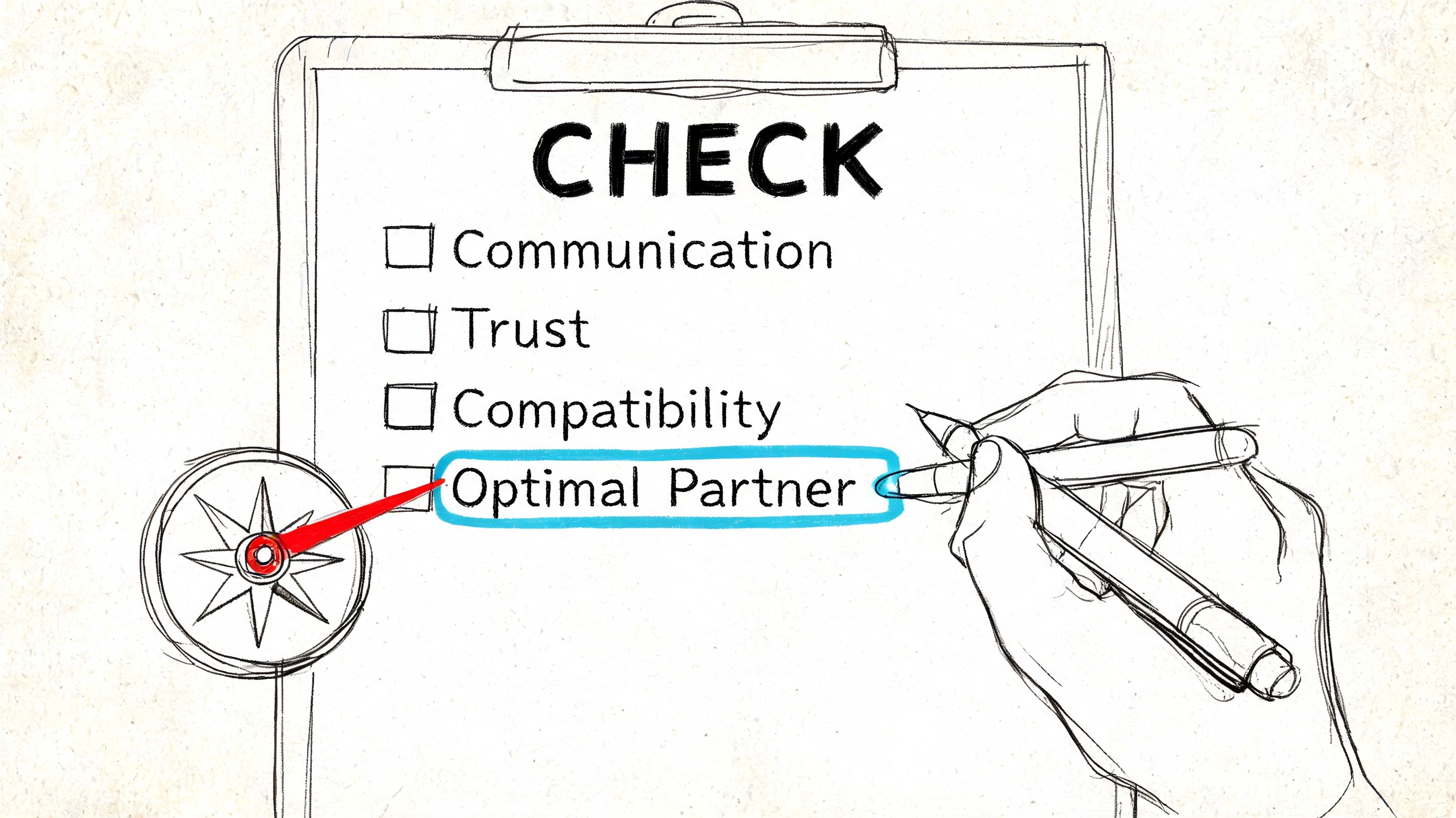
When evaluating providers, ask questions that expose how the money moves:
Ask about settlement, not just acceptance: How long from successful charge to usable funds, and what causes delays?
Ask where conversion happens: Is currency conversion explicit, or embedded in spread and intermediary fees?
Ask how transactions are routed: Does the processor rely on a narrow acquiring setup that may turn valid purchases into avoidable cross-border declines?
Ask what finance receives: Will payouts map cleanly to individual transactions, fees, and refunds?
Ask what happens during reviews: If risk systems trigger checks, what does that mean for active payouts and customer renewals?
Ask what developers get: Are the API, webhook events, and subscription states clean enough to build on without custom repair work?
A simple test helps cut through marketing. If a provider can explain the flow from customer payment to merchant receipt in plain language, that's a good sign. If every answer comes back to "competitive rates" while the settlement path stays vague, expect surprises later.
Choose the partner that makes revenue easier to recognize, easier to reconcile, and easier to access. That's usually more valuable than the lowest advertised fee.
For global businesses, settlement clarity matters more than pricing-page optics. The strongest setup is the one where customers can pay by card from anywhere, and the business receives clean, predictable USDC without hidden conversion steps shaping the final outcome.
Suby is a payment gateway and Merchant of Record. Your customers pay with card, bank transfer, Apple Pay, Google Pay, Klarna, and more, or stablecoins, and you get paid out to your bank account, or directly in stablecoins (USDC, EURC) to your wallet, anywhere in the world, no bank account required. Settling directly instead of waiting through correspondent banking sidesteps the pitfalls this guide covers: opaque FX, slow payouts, and reconciliation drift across fragmented global processors.
